The Port of Miami Is the Engine of South Florida's Economy — Here's What Goes On Inside
Tony Arrufat goes inside PortMiami to reveal the cargo, cruise, and logistics operations that make it the engine of South Florida's entire economy.
Most Miamians drive past it, maybe catch a cruise ship from it once a year, and don't think much more about it. But the Port of Miami is one of the most consequential pieces of infrastructure in the United States — a $17 billion annual economic engine that touches virtually every aspect of life in South Florida.
On a recent episode of A Day in Miami, Tony Arrufat went deep on the inner workings of PortMiami — the logistics, the economics, the complexity, and the vision for where one of America's great ports is heading.
Cargo, Containers, and the Invisible Supply Chain Beneath Miami's Economy
The cruise ships are the visible face of PortMiami. The cargo operations are the backbone. Every day, thousands of containers move through the port carrying goods that end up in South Florida homes, businesses, and stores. The Port of Miami is the largest container port in Florida and one of the busiest on the East Coast — a critical node in the global supply chain that most people never think about.
Arrufat walked through how cargo operations actually work: the coordination required between shipping lines, port operators, trucking companies, customs, and the dozens of other entities involved in moving a single container from a ship to its final destination. It's a system of staggering complexity, and it's running around the clock.
The pandemic exposed just how fragile global supply chains can be. Miami's port, and the people who run it, are a key reason South Florida came through as well as it did.
The Cruise Industry and Miami's Status as the Cruise Capital of the World
Miami didn't earn the title "Cruise Capital of the World" by accident. PortMiami handles more cruise passengers annually than any other port on earth — a distinction that drives billions of dollars into the local economy and supports thousands of jobs across hospitality, transportation, and services.
Arrufat offered an inside look at the cruise side of the operation: the sheer logistical scale of turnaround days when multiple ships dock simultaneously, the infrastructure investments that have kept Miami ahead of rival ports, and the way the cruise industry's growth has shaped the physical and economic development of the downtown Miami waterfront.
For a city that's often defined by its nightlife, art scene, and beaches, the port is a reminder that Miami is also a serious commercial city with global reach.
The Future of PortMiami: Infrastructure, Innovation, and What's Next
PortMiami is not standing still. Investments in deeper channels, modern terminal facilities, and technology upgrades have positioned the port for continued growth as global trade patterns evolve. The push toward more efficient, environmentally conscious port operations is also accelerating — a necessary evolution for a port operating in one of the world's most climate-vulnerable coastal cities.
Arrufat's perspective on where PortMiami is heading is one of cautious optimism grounded in real operational expertise. The opportunities are significant. So are the challenges. But for anyone who wants to understand Miami's economy beyond the headlines, this conversation is essential.
The port doesn't just move cargo. It moves Miami.
Watch the full episode on YouTube: https://www.youtube.com/watch?v=MO1RQJEjE9E
Subscribe to A Day in Miami on Spotify and Apple Podcasts for more deep dives into the businesses and institutions driving South Florida.
¿Te gustó este artículo?
Compártelo con quien lo necesite
Escrito por
Eduardo
Periodista y creador de contenido en A Day in Miami. Cubre cultura, gastronomía y lifestyle en el sur de la Florida.


Seguir leyendo
Artículos recientes

Qué hacer en Miami este finde (15 oct. – 18 oct.)
Si solo vas a salir una noche esta semana, que sea el viernes. Te explico por qué.
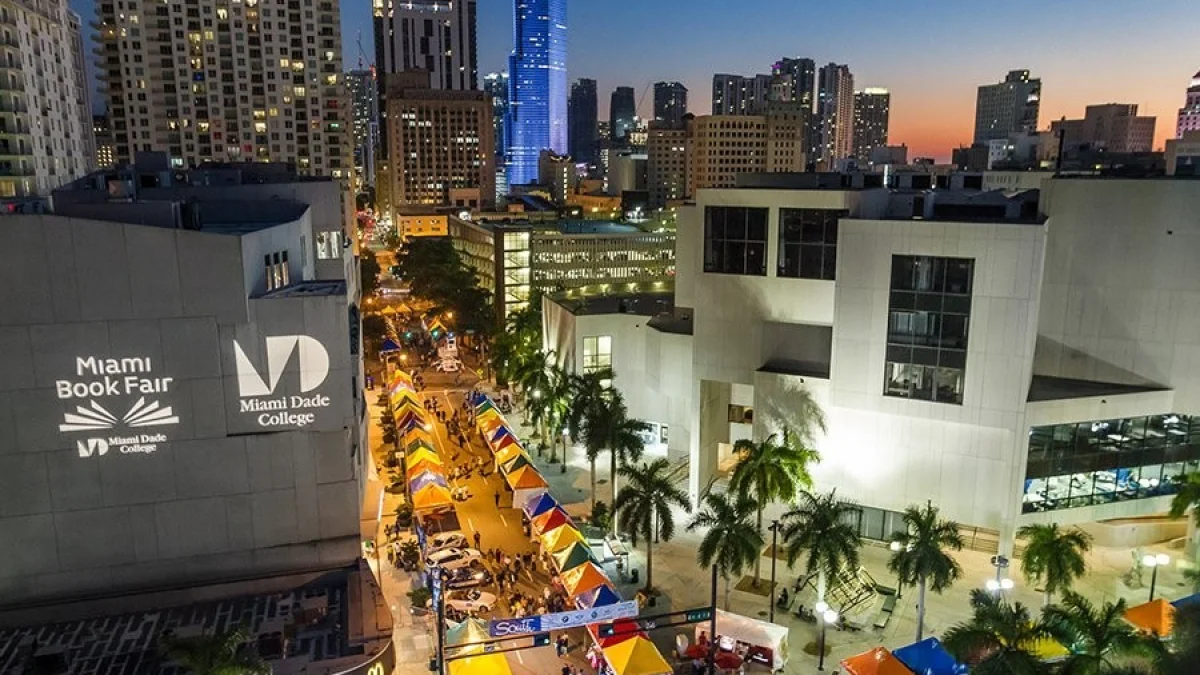
Lo que nadie te cuenta antes de ir a la Feria del Libro de Miami
La Feria del Libro de Miami te atrapa desde el primer instante, pero hay un detalle que no está en el programa.

Lo Que Nadie Te Cuenta del Miami Beach Polo World Cup
Descubre el lado inesperado de asistir a este evento en la playa de Miami Beach.

Qué hacer en Miami este finde (8 oct. – 11 oct.)
Si solo vas a salir una noche esta semana, que sea el sábado. Te explico por qué.
business
Más sobre este tema
¿Carrera nocturna en Calle Ocho?
Sorpresa total: las carreras ahora son en tu sala.

Globos que transforman Miami: Gables Balloons
No es solo aire caliente, es Coral Gables vibrando con cada fiesta.

Bleeding Blue: Más que un juego, una comunidad
Al norte de Coral Way, hay un movimiento que está transformando vidas juveniles. No son solo goles o canastas.